
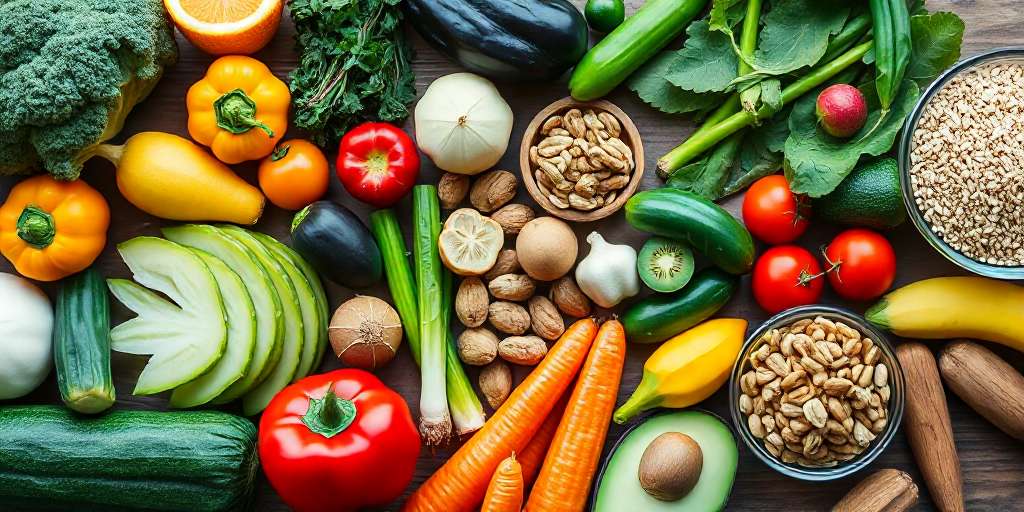
A balanced diet is essential for managing diabetes. Choosing the right foods can help maintain stable blood sugar levels and overall health.
This article provides a comprehensive list of foods suitable for diabetics. It covers categories such as vegetables, fruits, grains, proteins, and fats, along with guidance on foods to limit.
Understanding Diabetes and Nutritional Needs
Understanding diabetes is essential for managing this chronic condition effectively. Nutrition plays a pivotal role in controlling blood sugar levels and overall health. This section explores the types of diabetes, the importance of nutrition, and addresses common misconceptions surrounding diet and diabetes.
Types of Diabetes
Diabetes is primarily classified into three main types, each with distinct characteristics and management approaches:
- Type 1 Diabetes: This autoimmune condition typically develops in childhood or young adulthood. The body does not produce insulin, requiring lifelong insulin therapy for management.
- Type 2 Diabetes: This is the most prevalent form, often associated with insulin resistance and is commonly seen in adults. It can sometimes be managed with lifestyle changes, oral medications, or insulin.
- Gestational Diabetes: This type occurs during pregnancy and generally resolves after giving birth. However, it can increase the risk of developing Type 2 diabetes later in life.
The Role of Nutrition in Diabetes Management
Nutrition is a cornerstone of diabetes management. A balanced diet can help stabilize blood sugar levels and reduce the risk of complications. The following elements are crucial:
- Carbohydrate Management: Understanding carbohydrates is vital, as they directly influence blood sugar levels. Choosing complex carbohydrates with a low glycemic index can help maintain stable glucose levels.
- Protein Intake: Including lean sources of protein in meals helps with satiety and muscle preservation, which is particularly important as insulin resistance progresses.
- Healthy Fats: Integrating unsaturated fats can support heart health, which is critical as individuals with diabetes are at a higher risk of cardiovascular disease.
- Vitamins and Minerals: A nutrient-rich diet helps combat deficiencies that may arise from limited food choices and medications.
Common Misconceptions About Diabetes and Diet
Several misconceptions can lead to confusion regarding diabetes and dietary needs. Addressing these can aid in better management:
- All Carbs are Bad: Not all carbohydrates are detrimental. Whole grains, fruits, and legumes provide essential nutrients and fiber.
- You Can’t Eat Sugar at All: While it is critical to limit added sugars, moderate consumption of natural sugars from fruits can be part of a healthy diet.
- Diabetics Should Avoid All Fats: Healthy fats, such as those found in avocados and nuts, can be beneficial to heart health and overall nutrition.
- Weight Loss is Not Important: Maintaining a healthy weight is fundamental, especially for those with Type 2 diabetes, as it can improve insulin sensitivity.
Foods That Help Manage Blood Sugar Levels
Choosing the right foods is essential for maintaining stable blood sugar levels. A well-planned diet focusing on specific categories of nutrition can greatly assist in managing diabetes.
Non-Starchy Vegetables
Non-starchy vegetables are integral to a diabetes-friendly diet. Their low carbohydrate content and high fiber levels make them ideal for controlling blood sugar. They are packed with vitamins, minerals, and antioxidants, contributing to overall health.
- Spinach
- Kale
- Broccoli
- Cauliflower
- Bell peppers
- Mushrooms
- Asparagus
- Carrots
These vegetables can be eaten raw in salads or cooked to enhance flavor while retaining their health benefits. Incorporating a variety of colors on the plate ensures a wide range of nutrients.
Fruits and Their Benefits
Fruits provide natural sweetness and essential nutrients. However, it is important to choose whole fruits over juice to benefit from the fiber content. Fiber aids in slowing down the absorption of sugar, helping to maintain stable glucose levels.
- Apples
- Pears
- Berries (strawberries, blueberries)
- Oranges
- Kiwis
- Melons
Portion control is important when consuming fruits. Certain fruits have a higher glycemic index and can raise blood sugar levels more quickly than others. Monitoring intake is key for effective management.
Whole Grains and Fiber-Rich Foods
Whole grains are a superior choice compared to refined grains. They provide essential fiber, which aids in digestion and helps regulate blood sugar levels. Consuming fiber-rich foods can enhance overall satiety, leading to better weight management.
- Oats
- Brown rice
- Quinoa
- Barley
- Whole grain bread
Including a variety of whole grains can add texture and flavor to meals. These foods not only support blood sugar control but also provide sustained energy throughout the day.
Best Proteins for Diabetics
Incorporating a variety of protein sources is essential for those managing diabetes. Proteins help maintain muscle mass, enhance satiety, and play a crucial role in overall health. Below are the best protein options for diabetics, categorized into lean animal proteins, plant-based options, and beneficial fish choices.
Lean Animal Proteins
Lean animal proteins provide essential amino acids without excessive saturated fat. These options are not only protein-rich but also tend to have fewer calories, making them suitable for blood sugar management. Some excellent lean protein choices include:
- Skinless Poultry: Chicken and turkey are versatile and can be prepared in various healthy ways, such as grilling or baking.
- Lean Cuts of Meat: Opt for cuts like tenderloin, sirloin, or flank steak to minimize fat intake.
- Eggs: A great source of high-quality protein, eggs can be prepared boiled, poached, or scrambled with minimal added fats.
- Low-Fat Dairy: Products like Greek yogurt and low-fat cottage cheese offer protein along with beneficial probiotics.
Plant-Based Proteins
For those preferring plant-based diets or looking to reduce meat consumption, various legumes and other plant sources deliver protein along with fiber and other nutrients. Options include:
- Legumes: Beans, lentils, and chickpeas are excellent sources. They can be incorporated into salads, soups, or mashed into spreads.
- Tofu and Tempeh: Both are made from soybeans and can be used in stir-fries or grilled. They are rich in protein and can replace meat in many dishes.
- Quinoa: This whole grain serves as a complete protein and pairs well with various vegetables and sauces.
- Nuts and Seeds: While energy-dense, they provide healthy fats along with protein. Almonds, walnuts, chia seeds, and flaxseeds are great choices in moderation.
Fish and Omega-3 Fatty Acids
Including fish in the diet is beneficial for various reasons. Certain fish are high in omega-3 fatty acids, which are known for their heart health advantages. Recommended options are:
- Fatty Fish: Salmon, mackerel, and sardines are rich in omega-3s, which can help reduce inflammation and may protect against heart disease.
- White Fish: Options like cod and haddock are leaner choices that are also good protein sources.
- Shellfish: Shrimp and scallops provide protein with lower fat content. They can be quickly sautéed or added to salads.
Healthy Fats and Their Benefits
Healthy fats play a crucial role in diabetes management. They can improve heart health, provide essential nutrients, and help maintain stable blood sugar levels. Incorporating the right types of fats into the diet can support overall wellness for individuals living with diabetes.
Nuts and Seeds
Nuts and seeds are rich in healthy fats, fiber, and protein. They not only help in controlling hunger but also provide essential nutrients that can benefit heart health. Including these in the diet can be particularly advantageous for managing weight and stabilizing blood sugar levels.
- Almonds: These are high in magnesium, which aids in insulin sensitivity. A small handful can make for a great snack, rich in Vitamin E and antioxidants.
- Walnuts: Packed with omega-3 fatty acids, walnuts are known for their anti-inflammatory properties and can support heart health.
- Chia Seeds: A powerhouse of fiber and omega-3s, chia seeds can be added to smoothies, yogurt, or oatmeal for a nutritious boost.
- Flaxseeds: These seeds are great for digestive health and can help lower cholesterol levels. Ground flaxseeds are easier to digest and can be sprinkled on various dishes.
- Pumpkin Seeds: They offer a good source of zinc and are beneficial for immune health while providing a crunchy texture to salads or snacks.
Avocados and Healthy Oils
Avocados and oils derived from healthy sources provide monounsaturated and polyunsaturated fats, which are beneficial for heart health and can help improve cholesterol levels.
- Avocados: Rich in potassium and fiber, avocados support cardiovascular health. They can be included in salads, spreads, or smoothies for a creamy texture and nutty flavor.
- Olive Oil: Extra virgin olive oil is a staple in the Mediterranean diet. It is known for its anti-inflammatory properties and can be used in dressings or for sautéing vegetables.
- Coconut Oil: While higher in saturated fat, coconut oil can be used in moderation for cooking. It may offer some health benefits, including supporting metabolism.
- Canola Oil: This oil is low in saturated fat and contains omega-3 fatty acids. It can be a versatile option for cooking and baking.
Dairy Options for Diabetics
Low-fat dairy products can be included in the diet as they provide important nutrients like calcium and protein. Opting for healthier dairy choices is beneficial in managing diabetes.
- Greek Yogurt: This is a great source of protein and probiotics, which aid in digestion. Choosing plain varieties can help avoid added sugars.
- Low-Fat Milk: Skim or 1% milk options offer the benefits of calcium and vitamin D without high levels of fat. Non-dairy alternatives, such as unsweetened almond or soy milk, can also be healthy choices.
- Cottage Cheese: This is low in fat and high in protein, making it a satisfying snack or addition to meals.
- Cheese: Opt for low-fat cheese varieties which can be included in moderation, balancing flavor and nutritional value.
Foods to Limit or Avoid
Managing diabetes effectively requires attention to dietary choices. Certain foods can lead to spikes in blood sugar levels and should be limited or avoided to maintain better health.
High Sugar Foods
Foods high in added sugars can quickly raise blood glucose levels. These foods often contain little nutritional value and can lead to weight gain and increased insulin resistance over time. Some common high sugar foods include:
- Beverages like sodas, sweetened teas, and commercially prepared fruit juices.
- Desserts such as cakes, cookies, doughnuts, and ice cream.
- Candies and chocolates, which offer high sugar with minimal nutritional benefits.
It’s essential to read nutrition labels carefully since many processed foods contain hidden sugars that can add up quickly in daily consumption. Opting for naturally sweet foods like fruits, in moderation, is a smarter choice.
Refined Grains
Refined grains have been processed to remove the bran and germ, stripping away fiber and nutrients. These grains can cause quicker spikes in blood sugar levels compared to whole grains. Examples of refined grains include:
- White bread, rolls, and pastas made from white flour.
- White rice, which lacks the fiber found in brown rice.
- Processed snacks such as crackers and chips made from refined flours.
Choosing whole grain alternatives, such as whole wheat bread, brown rice, and whole grain pasta, can help improve blood sugar control by providing more fiber and nutrients.
High-Fat Processed Foods
Foods that are high in unhealthy fats, particularly trans fats and saturated fats, pose significant risks for heart health and can also affect blood sugar levels. These foods often contribute to weight gain and increased cholesterol levels. Foods to watch out for include:
- Fatty cuts of meats, including processed meats like sausages and bacon.
- Full-fat dairy products, which can be higher in calories and saturated fats.
- Fast food items and processed snacks that contain trans fats and are often high in calories.
It’s advisable to replace these with healthier options such as lean proteins, low-fat dairy, and whole food snacks like nuts or fruits, which provide better nutritional profiles while supporting overall health.
Meal Planning Strategies
Effective meal planning plays a vital role in managing diabetes. It involves organizing meals and snacks to maintain stable blood sugar levels while ensuring nutritional balance.
The Diabetes Plate Method
The Diabetes Plate Method is a visual tool designed to guide portion control and the composition of meals. This method helps individuals understand how to create balanced meals that incorporate various food groups.
-
Half the Plate: Non-Starchy Vegetables
Vegetables should make up half of the plate. Non-starchy vegetables are low in calories and carbohydrates, making them ideal for maintaining blood sugar stability. Options include:
- Spinach
- Broccoli
- Bell peppers
- Cauliflower
- Zucchini
-
One Quarter: Lean Proteins
The other quarter of the plate should be filled with lean protein sources. Proteins are essential for muscle maintenance and overall health. Suitable choices include:
- Skinless chicken
- Turkey
- Fish
- Tofu
- Lentils
-
One Quarter: Healthy Carbohydrates
Carbohydrates should fill the last quarter of the plate. Choosing whole grains and high-fiber options helps manage blood sugar levels. Examples include:
- Brown rice
- Quinoa
- Whole grain bread
- Oats
- Barley
Meal Timing and Portion Control
Another crucial aspect of meal planning is the timing and portion of meals. Consistency helps maintain balanced blood sugar levels throughout the day.
-
Regular Meal Schedule
Eating meals and snacks at similar times each day supports metabolic health. It can prevent extreme fluctuations in blood sugar, promoting better overall control.
-
Portion Sizes
Understanding portion sizes is essential to avoid excess calorie and carbohydrate intake. Utilizing measuring cups or a food scale can simplify portion control.
-
Snacks Between Meals
Healthy snacks can help maintain energy levels and prevent low blood sugar. Options such as nuts, yogurt, or fruits can serve as beneficial snacks, ensuring they are consumed in moderation.
Reading Food Labels for Better Choices
Being knowledgeable about food labels can empower individuals with diabetes to make informed dietary choices.
-
Understanding Nutritional Information
Reading the nutritional facts helps identify the amount of carbohydrates, sugars, and calories in a product. Focus on:
- Total carbohydrates per serving
- Sugar content, especially added sugars
- Fiber content to assess how filling a food item may be
-
Ingredient Lists
Examine ingredient lists to avoid unhealthy additives. Look for whole foods and familiarize oneself with common names for undesirable ingredients.
-
Serving Size Awareness
Be aware that serving sizes on labels may not reflect typical portions consumed. Adjust nutritional data based on the actual serving size to manage diabetes effectively.
Recipes and Resources for Diabetics
Access to suitable recipes and resources is essential for managing diabetes effectively. Below are various options that cater to the dietary needs of individuals with diabetes, promoting healthier eating habits.
Diabetes-Friendly Recipes
Creating meals that fit within a diabetic diet doesn’t have to be complicated. Here are some diabetes-friendly recipes designed to help maintain stable blood sugar levels:
-
Breakfast Options
- Overnight Oats with Chia Seeds and Berries: Combine rolled oats, chia seeds, almond milk, and your choice of berries for a nutritious start to the day.
- Veggie Omelet: Whisk eggs with spinach, bell peppers, and tomatoes for a protein-filled breakfast that is low in carbs.
-
Lunch Ideas
- Quinoa Salad: Mix cooked quinoa with cucumbers, cherry tomatoes, parsley, and a lemon-olive oil dressing for a refreshing meal.
- Turkey and Avocado Wrap: Use a whole grain wrap filled with lean turkey, avocado, lettuce, and mustard for a light yet filling lunch.
-
Dinner Recipes
- Baked Salmon with Broccoli: Season salmon fillets and bake them alongside steamed broccoli for a heart-healthy dinner.
- Stuffed Bell Peppers: Fill bell peppers with a mix of ground turkey, black beans, and brown rice, seasoned with spices and baked until tender.
-
Snack Options
- Greek Yogurt with Nuts: Serve plain Greek yogurt topped with a handful of almonds or walnuts for a satisfying snack.
- Cucumber Slices with Hummus: Dip fresh cucumber slices in hummus for a crunchy, fiber-rich snack.
Digital Resources and Tools
Several digital resources can assist individuals in managing their diabetes through meal planning and nutritional education:
- Mobile Apps: Many apps are available for tracking food intake, carbohydrate counts, and blood sugar levels. Popular options include MySugr, Carb Manager, and Glucose Buddy.
- Online Communities: Websites and forums provide platforms for sharing experiences and recipes. Engaging with others can offer support and encouragement in managing diabetes.
- Nutritional Databases: Access to comprehensive food databases, like the USDA Food Composition Databases, helps to find nutritional information for various foods.
Printed Guides and PDFs
Physical resources can also be beneficial for individuals seeking guidance on diabetes-friendly diets:
- Diabetes Nutrition Handbooks: These books often contain recipes, meal plans, and tips for adhering to a diabetic diet.
- Pocket Guides: Handy, portable resources that outline food choices, portion sizes, and quick references for dining out can aid in everyday decision-making.
- Recipe Books specifically for Diabetics: Many cookbooks focus on recipes that are both appealing and suitable for those managing diabetes, ensuring variety and taste.
Supporting Mental Health and Lifestyle
A holistic approach to diabetes management includes supporting mental health and maintaining a balanced lifestyle. Psychological well-being and daily habits can significantly influence overall health, including how effectively diabetes is managed.
The Impact of Stress on Blood Sugar
Stress is a common experience that can adversely affect blood sugar levels. When under stress, the body releases hormones like cortisol and adrenaline, which can lead to increased blood sugar. Understanding the relationship between stress and diabetes is essential for effective management.
-
Types of Stress
Stress can be categorized into two main types:
- Short-term stress: Often triggered by sudden events, such as deadlines or conflicts. This type may lead to temporary spikes in blood sugar.
- Chronic stress: Ongoing situations, like financial issues or relationship troubles, can lead to sustained high blood sugar levels and increased risk of complications.
-
Stress Management Techniques
Incorporating stress management techniques can help maintain stable blood sugar levels:
- Mindfulness and meditation: These practices can promote relaxation and reduce stress.
- Deep breathing exercises: Such techniques can help calm the nervous system.
- Engaging in hobbies: Activities that bring joy can serve as effective stress relievers.
Exercise and Physical Activity
Regular physical activity plays a vital role in diabetes management. Exercise not only helps in weight control but also enhances insulin sensitivity, reduces stress levels, and contributes to overall well-being.
-
Types of Exercise
There are various forms of exercise beneficial for individuals with diabetes:
- Aerobic exercises: Activities like walking, swimming, and cycling can improve cardiovascular health.
- Strength training: Lifting weights or using resistance bands can build muscle and improve metabolism.
- Flexibility and balance exercises: Practices such as yoga or tai chi enhance flexibility and reduce the risk of falls.
-
Recommended Activity Levels
Health organizations recommend a minimum of:
- 150 minutes of moderate-intensity exercise per week.
- Incorporating strength training on two or more days a week.
The Importance of Consistent Routines
Establishing consistent daily routines can be beneficial for individuals managing diabetes. Routine can help regulate blood sugar levels and support mental health.
-
Meal Timing
Having regular meal times can help manage blood sugar levels:
- Eating at consistent intervals can prevent extreme fluctuations in blood glucose.
- Planning meals can help avoid impulsive eating, which often leads to poor food choices.
-
Sleep Patterns
Quality sleep is crucial for maintaining health. Poor sleep can lead to:
- Increased stress and fatigue.
- Impaired insulin sensitivity.
- Higher blood sugar levels throughout the day.
Tips for Eating Out with Diabetes
Dining out can pose challenges for individuals managing diabetes. Understanding how to navigate restaurant menus, make informed choices, and handle social situations is essential for maintaining a healthy lifestyle while enjoying meals away from home.
Navigating Restaurant Menus
Restaurant menus can often be overwhelming, filled with tempting options that might not align with dietary needs. Here are some strategies to help navigate these menus effectively:
- Look for Healthy Options: Many restaurants now provide healthier menu choices. Look specifically for dishes labeled as “light,” “healthy,” or “low-calorie.” These options often feature lean proteins, vegetables, and whole grains.
- Ask About Modifications: Don’t hesitate to ask the staff if adjustments can be made to a dish. For example, request sauces on the side, ask for extra vegetables instead of starches, or choose grilled options instead of fried.
- Understand Portion Sizes: Restaurant servings can be significantly larger than standard portions. Consider sharing a meal with someone or asking for a to-go box to save half for later.
Making Informed Choices on the Go
When eating out, especially at fast-food restaurants or casual dining places, making informed and healthier choices is crucial. Here are some tips:
- Check Nutrition Information: Many fast-food chains and casual restaurants provide nutritional information online or in-store. Take the time to review this before ordering.
- Opt for Grilled Over Fried: Choose grilled options instead of fried foods, which tend to be higher in unhealthy fats and calories.
- Select Water or Unsweetened Beverages: Avoid sugary drinks and soda. Opt for water, unsweetened tea, or sparkling water as hydration options.
Managing Social Dining Situations
Social gatherings often revolve around food, and it can be challenging to maintain healthy habits in these contexts. Here are ways to handle social dining situations:
- Plan Ahead: If dining at a friend’s house or a special event, consider bringing a healthy dish that fits within dietary guidelines. This ensures there is at least one diabetes-friendly option available.
- Moderate Portions: When attending buffets or potlucks, focus on small portions. Fill half the plate with non-starchy vegetables, include a protein source, and limit starchy foods and high-fat options.
- Communicate with Hosts: Inform the host of any dietary restrictions beforehand. Most people are happy to accommodate, especially if they know you have specific health needs.
Collaborating with Health Care Providers
Effective management of diabetes often requires a team approach. Collaborating with healthcare providers ensures that individuals receive personalized care tailored to their unique needs.
Working with a Dietitian
Dietitians play a vital role in helping individuals navigate their dietary restrictions and preferences. They provide essential guidance on meal planning, portion control, and nutrient needs. A qualified dietitian can:
- Develop a personalized meal plan that aligns with the individual’s health goals.
- Educate on carbohydrate counting and its importance in managing blood sugar levels.
- Offer strategies for incorporating a variety of foods while ensuring balanced nutrition.
- Provide insights on reading food labels to make informed choices.
- Assist in planning meals around physical activity and medication schedules.
Monitoring Your Health
Regular health monitoring is essential for effective diabetes management. This involves tracking various health indicators, which can include:
- Blood Sugar Levels: Frequent checks can help determine how food, activity, and medication interact to affect glucose levels.
- Weight Management: Keeping track of weight can help assess the effectiveness of dietary and exercise changes.
- Cholesterol and Blood Pressure: Both need to be monitored as they are critical factors in overall health, especially for those with diabetes.
- Other Health Conditions: Staying informed about other potential health issues, such as cardiovascular health, is crucial.
Participating in Diabetes Education Programs
Diabetes education programs offer valuable resources for individuals looking to enhance their understanding of the condition. Participation in these programs can provide:
- Comprehensive Information: Topics may cover everything from basic diabetes management to advanced topics on insulin therapy.
- Practical Skills: Workshops may offer hands-on training in meal preparation and carbohydrate counting.
- Support Networks: Connecting with others facing similar challenges can provide encouragement and motivation.
- Access to Specialists: Many programs feature specialists, including dietitians, pharmacists, and nurses, offering a multidisciplinary approach to care.